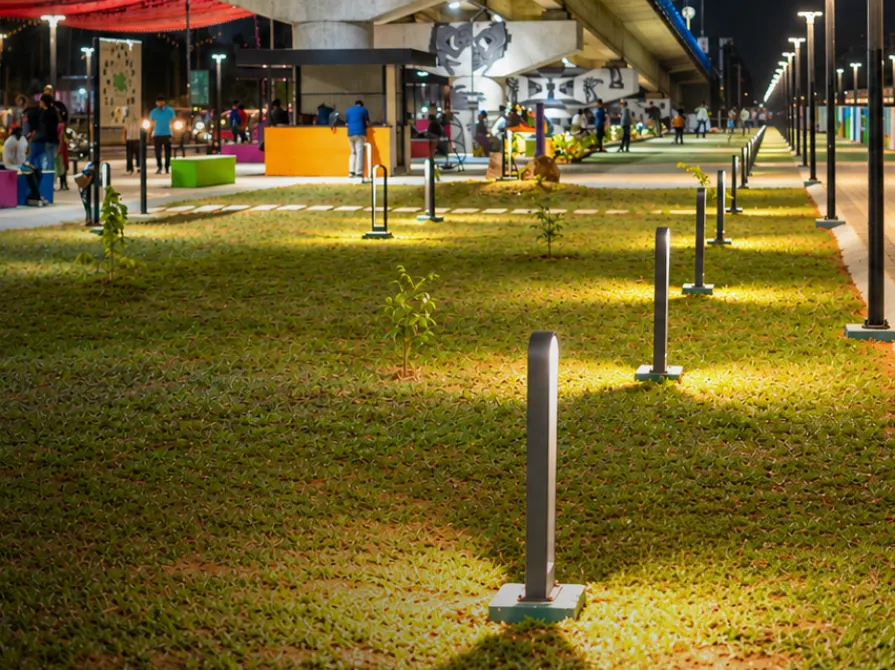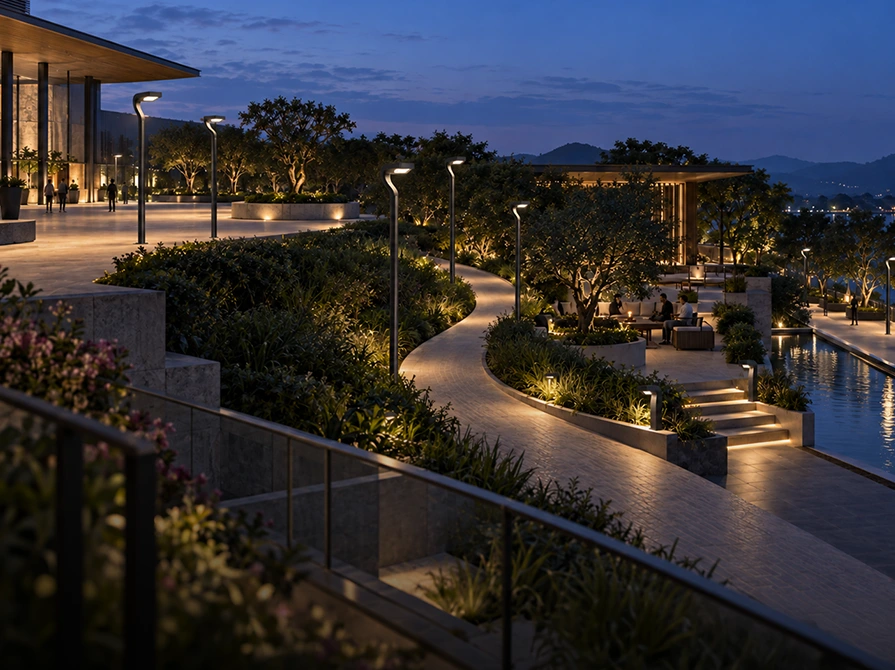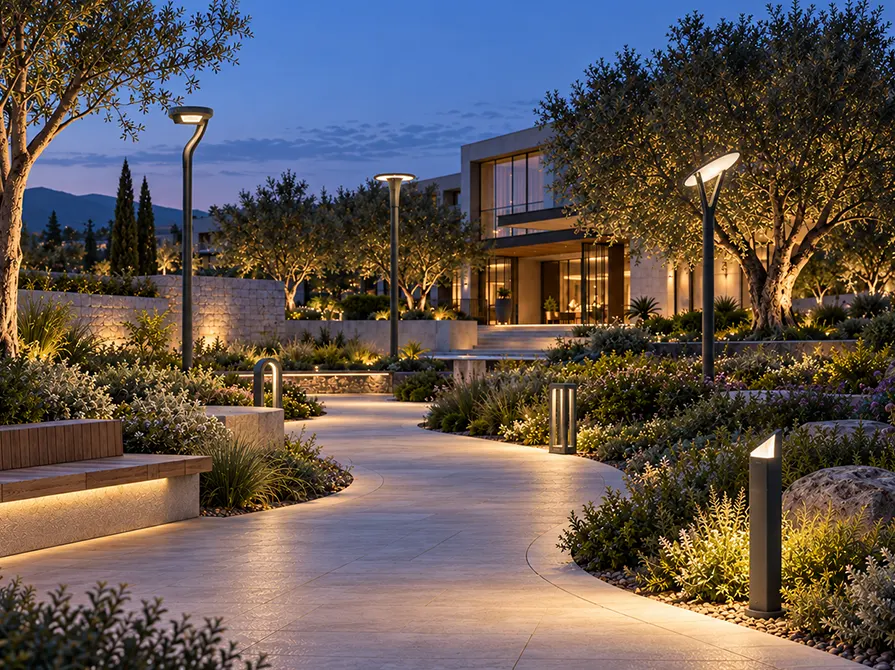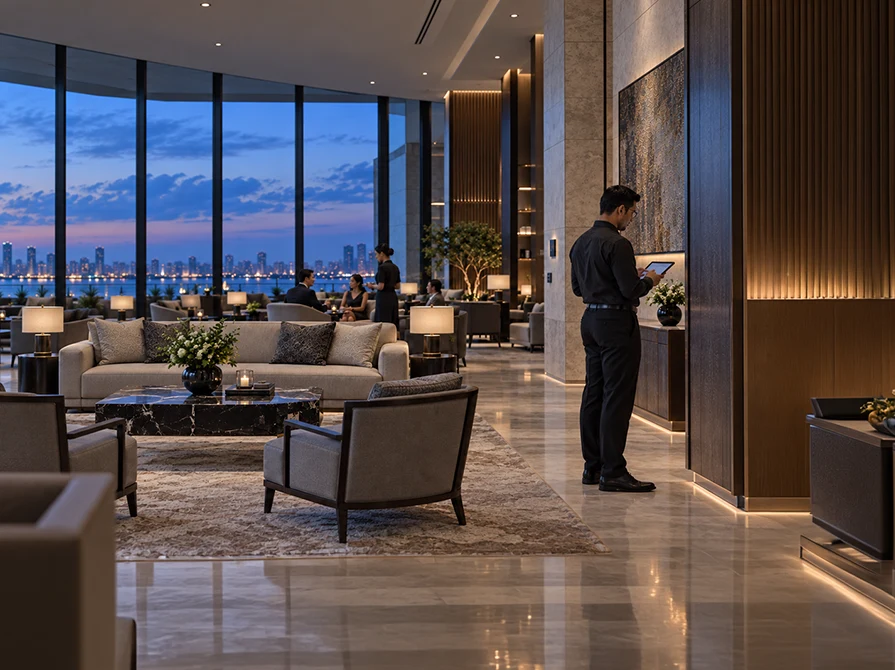


The buildings winning the next decade are being specified right now. Most of them are getting lighting wrong.
Not wrong in the obvious sense — lux levels will meet code, fittings will be efficient. Wrong in a more consequential way: the lighting system will be passive. No intelligence. No integration. No ability to evolve with the building.
In 2026, that is a significant competitive disadvantage.
BMS, HVAC automation, access control — all now standard specification. Lighting lags behind. It's still frequently specified as a hardware decision: which fitting, which driver. The system-level question — how will this lighting be managed across the building's life — is rarely answered at design stage. That gap is what intelligent lighting specification closes.
LEED, IGBC, and GRIHA reward lighting controls, energy monitoring, and occupancy-based management. Buildings without intelligent lighting lose certification credits they cannot recover elsewhere. For developers, this is now a commercial decision as much as an environmental one.
Lighting That Thinks starts at the specification stage. The decisions made in design determine what the building can do for the next twenty years.