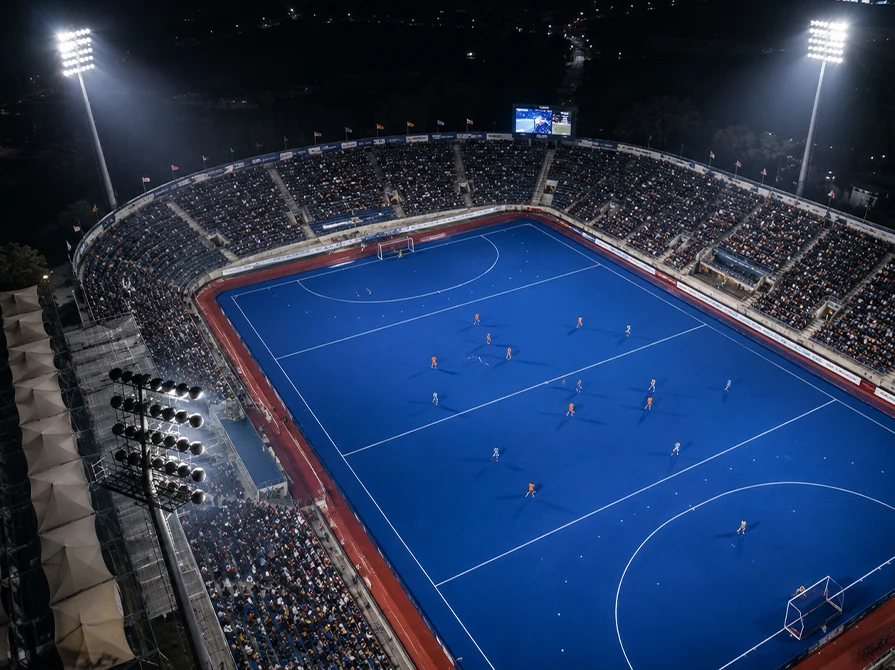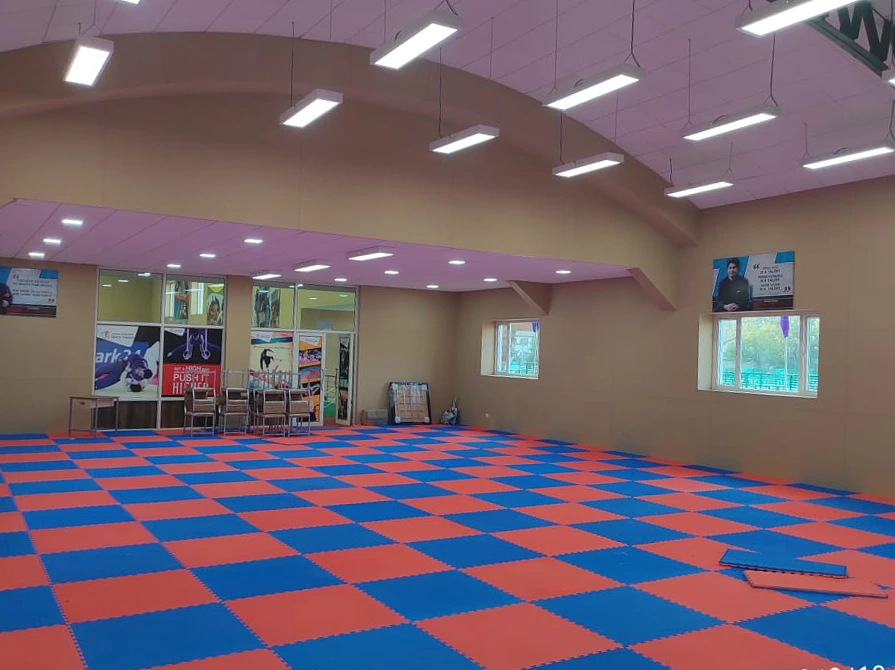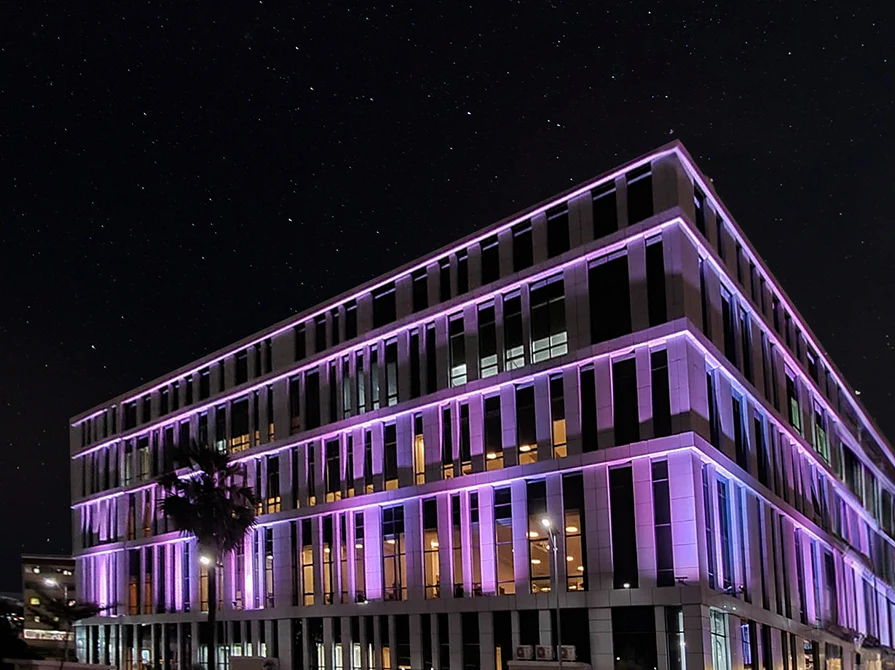


A city does not stop functioning when daylight ends.
People travel home after late shifts. Students move across campuses. Logistics networks operate through the night. Families use public spaces after work. Runners, vendors, security teams and essential-service workers all depend on outdoor environments that remain usable well beyond sunset.
Yet much of our outdoor lighting is still designed around a simple assumption: switch on at dusk, operate at one level through the night and switch off at dawn.
That approach creates light. It does not necessarily create a responsive city.
The challenge is that urban activity is not constant. A busy junction at 8 PM may be nearly empty at 2 AM. A campus walkway may see short bursts of movement. A public plaza may be active in the evening but quiet later. When every zone is lit at the same intensity for the same duration, cities lose the opportunity to improve both performance and efficiency.
Connected systems can align lighting with the way a space is used. Schedules can reflect different operating hours. Zonal controls can help place higher illumination where activity is concentrated. Sensors and remote monitoring can give facility teams better visibility into performance, energy use and maintenance needs.
This does not mean leaving people in the dark. It means moving away from indiscriminate brightness and towards purposeful illumination.
The distinction matters.
More light can increase glare, create harsh contrasts and send illumination beyond the area where it is useful. Better light focuses on distribution, uniformity and visual comfort. It helps people identify routes, obstacles and surroundings clearly, while keeping unnecessary spill under control.
The operational value is equally important.
In a conventional network, a failed luminaire may only be discovered after a complaint or inspection. A connected system can make faults visible earlier, helping maintenance teams respond more proactively.
It can also provide clearer information about how different zones are performing, allowing decisions to be based on real usage rather than assumptions.
For planners and project teams, this changes the role of lighting. It is no longer only an electrical layer added after roads, campuses or public spaces have been designed. It becomes part of how those spaces are managed, experienced and improved over time.
The move towards smarter outdoor lighting should therefore begin at the specification stage. Luminaire design, optics, controls, connectivity, mounting, maintenance access and the surrounding environment must be considered together. Technology alone cannot compensate for poor lighting design.
At Wipro Lighting, this means bringing optics, connected controls, outdoor durability and operational visibility into one coordinated approach-so infrastructure serves people more intelligently, hour after hour.
As cities stay active for longer, their infrastructure must become more responsive.
The future is not a city that is brighter at every hour. It is a city that understands where light is needed, when it is needed and how much is enough.
That is how lighting can extend opportunity after dark-without extending waste along with it.