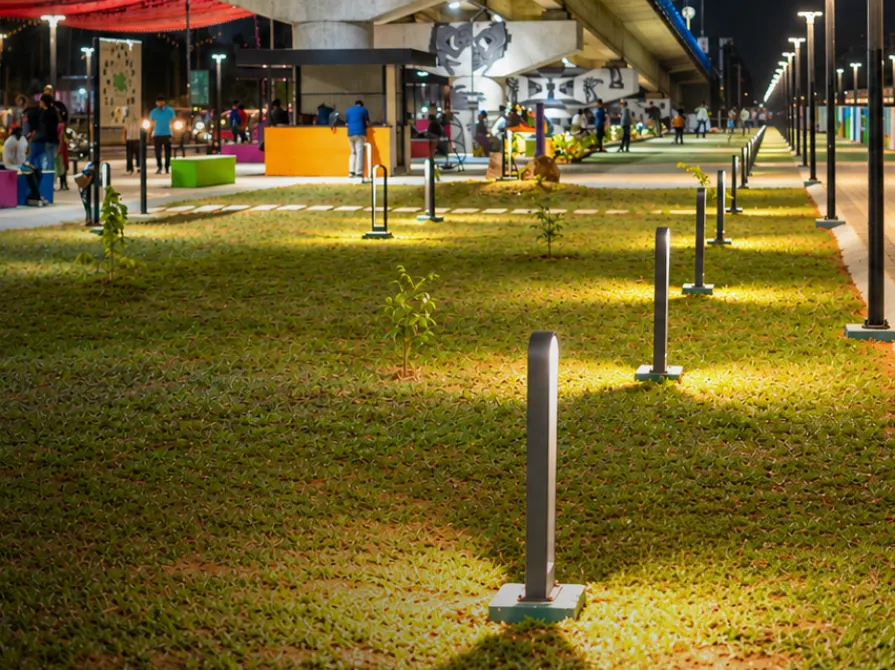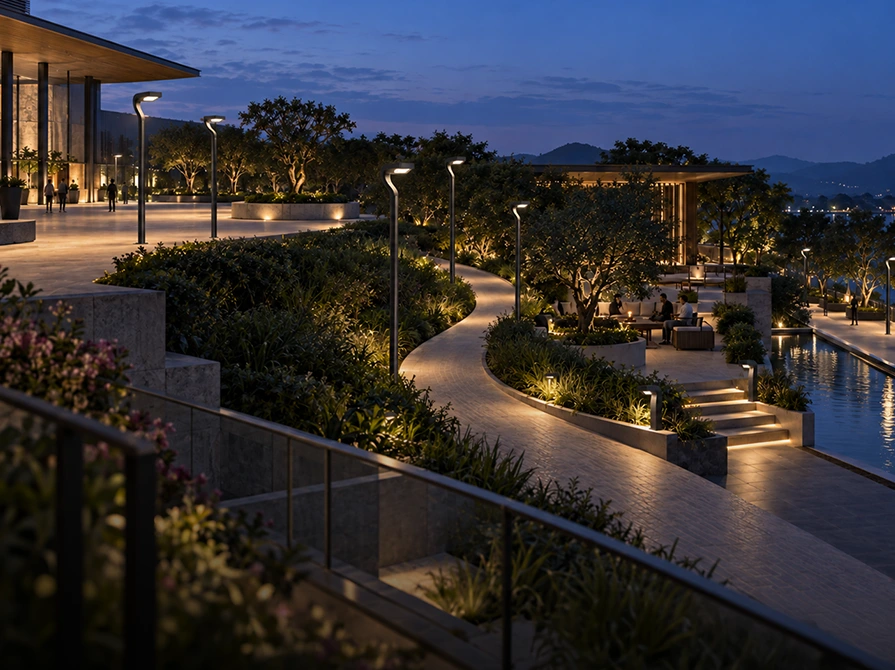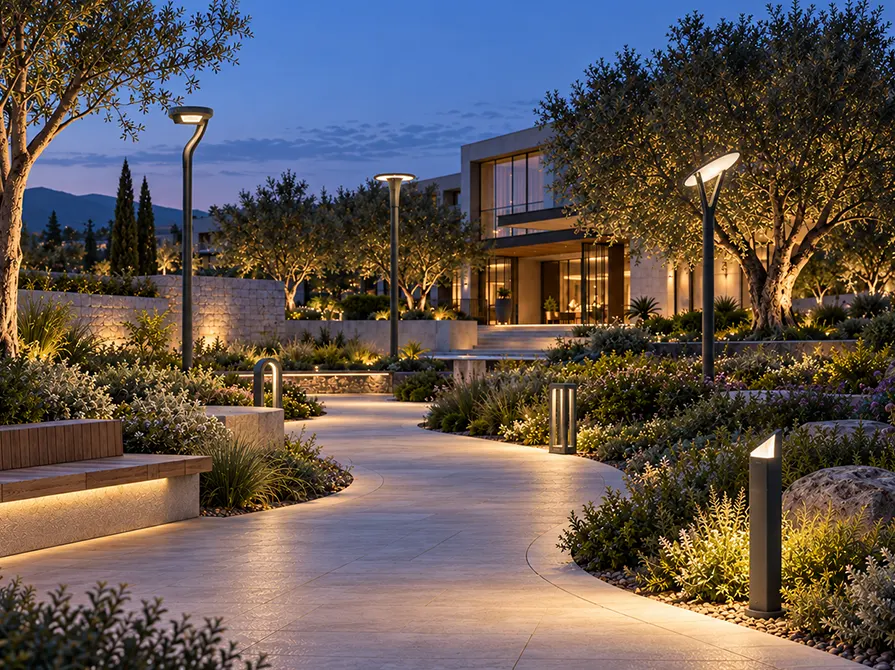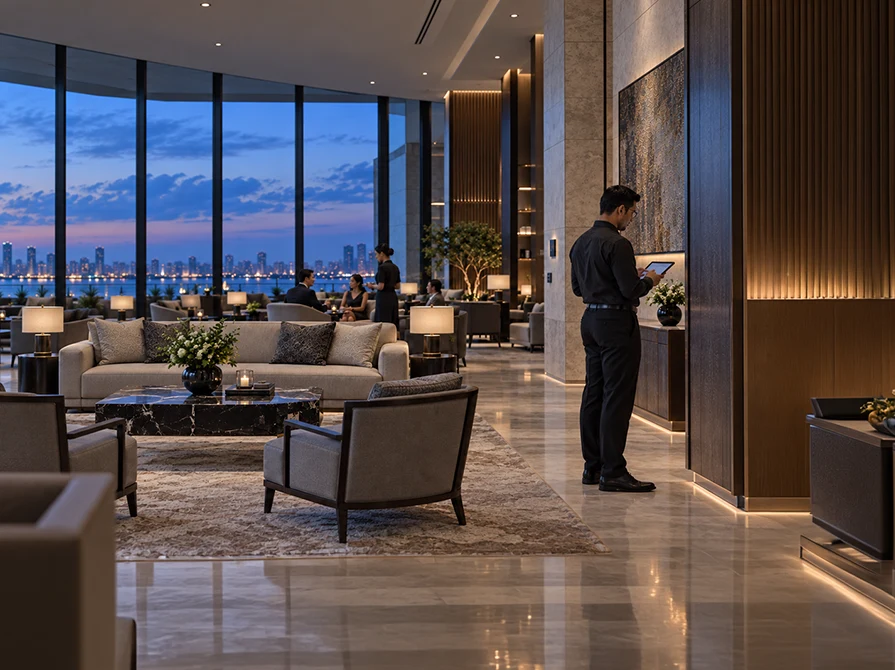


Walk into any well-designed space - a hospital that feels calming, a factory that runs efficiently, or an office that inspires productivity, and you’ll notice something beyond aesthetics. There’s a sense of intentionality. Every light, every shadow, every corner serves a purpose.
This doesn’t happen in isolation.
It’s the result of collaboration - between architects, engineers, designers, and increasingly, lighting partners who help shape not just how a space looks, but how it performs.
At Wipro Lighting, this philosophy comes alive through the idea of Co-Creating Spaces; a collaborative approach that goes beyond supplying products to actively shaping environments from planning to execution.
Traditionally, lighting has been treated as a final layer; something added once the structure is complete.
But modern spaces demand more. Lighting today impacts:
Co-creating spaces means bringing lighting into the conversation from day one, making it an integral part of design, not an afterthought. It’s about asking:
And then designing lighting solutions that support those goals.
No single stakeholder can fully define a space.
Lighting sits at the intersection of all of these. This is where collaboration becomes critical. When lighting partners are involved early:
Instead of adapting to a finished design, lighting becomes a driver of design decisions.
Co-creating spaces is not a single step; it’s a continuous process that evolves across stages.
Every successful project begins with clarity. At this stage, collaboration focuses on:
For example:
Wipro Lighting works closely with stakeholders to translate these needs into a lighting intent, a clear direction that guides all future decisions.
Once the foundation is set, the focus shifts to design. This involves:
Collaboration at this stage ensures:
Advanced tools and simulations help visualize outcomes before execution, allowing teams to refine and optimize decisions early.
A great design is only as good as its execution. This stage involves:
For example, in smart lighting ecosystems like Wipro’s IOL (Internet of Lighting) solutions:
Collaboration here ensures that lighting is not just installed, but intelligently integrated into the broader infrastructure.
Execution is where all planning and collaboration come together. Key aspects include:
Wipro Lighting supports this phase by ensuring:
The goal is simple: deliver exactly what was envisioned without compromise.
Co-creation doesn’t end with installation. Modern lighting systems require:
With smart systems and data insights, spaces can continue to improve over time; becoming more efficient, responsive, and sustainable.
In a world where lighting is becoming more intelligent and experience-driven, choosing the right partner makes all the difference. Wipro Lighting brings:
Rather than offering one-size-fits-all products, Wipro focuses on context-driven solutions, designed specifically for the space and its users.
When collaboration is at the core, the results are tangible:
Most importantly, co-created spaces are future-ready, designed to evolve with changing needs.
The way we design spaces is changing. It’s no longer about isolated decisions or last-minute additions. It’s about bringing the right partners together, early and often, to create environments that truly work.
Lighting, when approached collaboratively, becomes more than illumination. It becomes a tool for transformation.
Through its Co-Creating Spaces philosophy, Wipro Lighting is redefining how spaces are imagined, designed, and delivered, ensuring that every project is not just completed, but thoughtfully crafted.