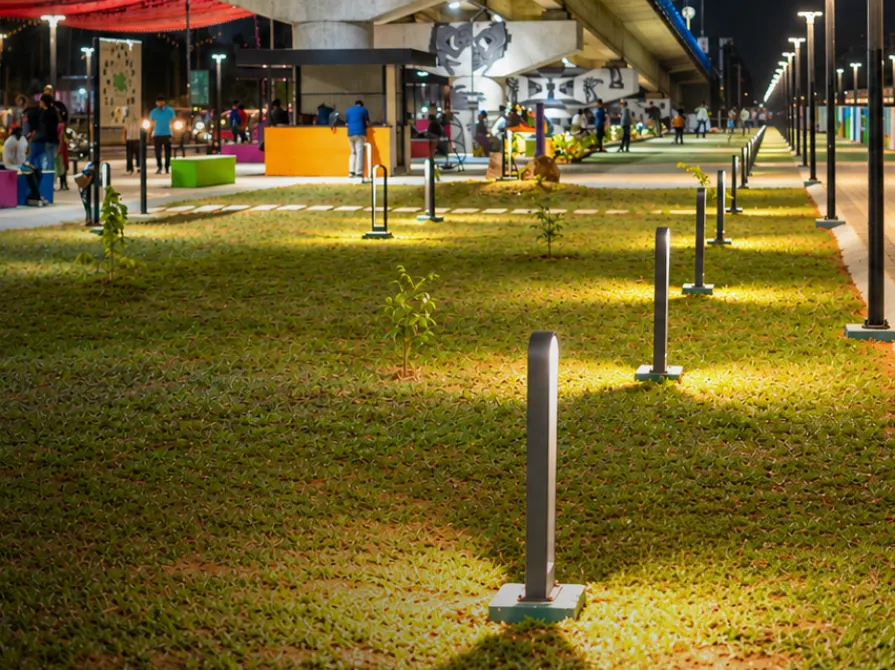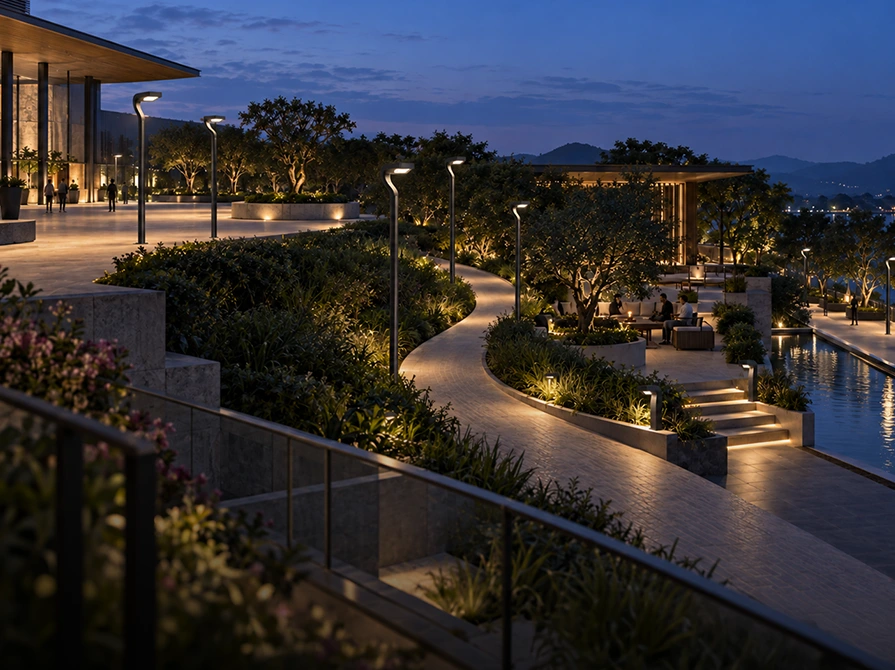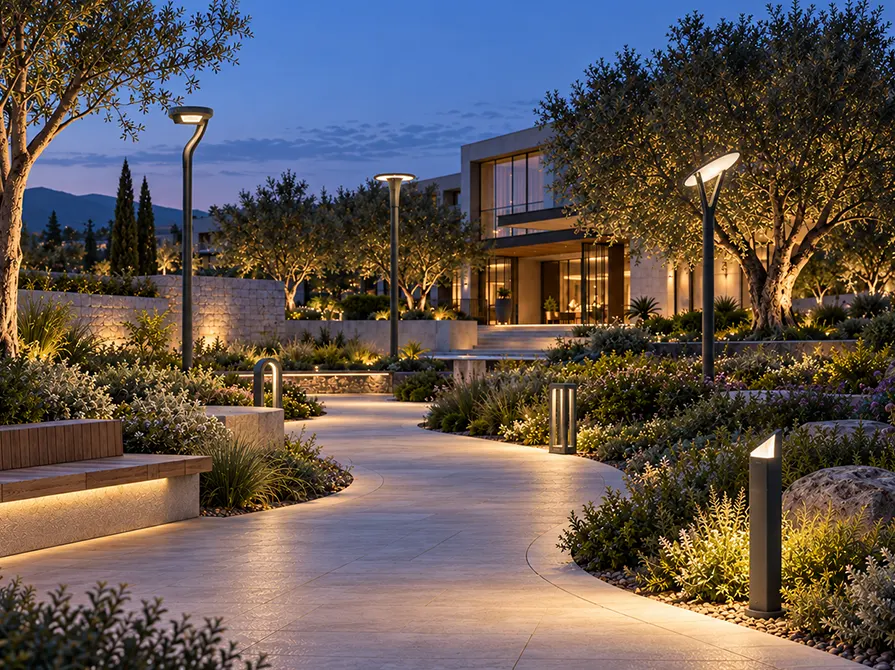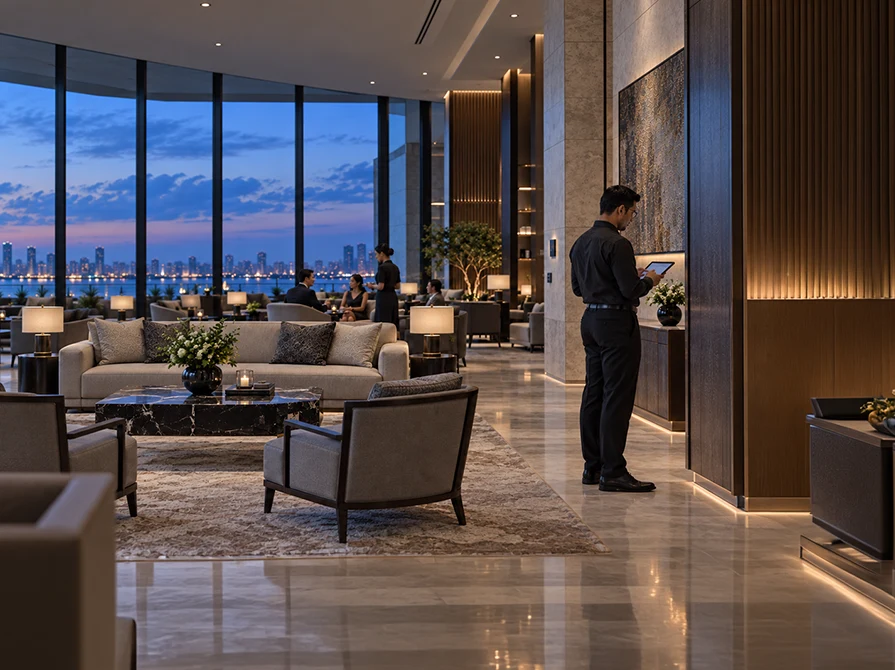


The modern workplace is being redefined. Hybrid work has transformed offices from places of routine attendance into spaces of purpose, collaboration, and well-being. Employees now come to offices for connection, creativity, and meaningful interaction. As organizations redesign these spaces, lighting has emerged as a powerful design element that directly influences comfort, focus, and overall wellness.
Office ceiling lights and ambient lighting are no longer treated as purely functional components. They play an essential role in shaping how people feel, perform, and engage within hybrid workplaces. In this blog, we will explore how thoughtfully designed lighting supports physical comfort, mental clarity, and emotional balance, making it a cornerstone of wellness-driven office design.
Hybrid work has changed expectations from office environments. Employees experience varied lighting conditions at home, and they expect offices to offer environments that feel supportive and thoughtfully designed. Wellness-centric workplaces focus on creating spaces that reduce stress, support concentration, and encourage healthy work patterns.
Lighting influences circadian rhythms, mood, and visual comfort. Well-designed illumination helps align indoor environments with natural biological cycles, supporting alertness during work hours and comfort throughout the day. As a result, lighting design has become central to workplace wellness strategies.
Office ceiling lights form the backbone of workplace illumination. They provide consistent, evenly distributed light across work areas, ensuring visual clarity and reducing eye strain. In hybrid offices, ceiling lighting supports a wide range of activities, from focused individual work to collaborative sessions and virtual meetings.
Modern ceiling lighting systems offer advanced features such as uniform light distribution, glare control, and high color rendering. These qualities help create visually comfortable environments where employees can work for extended periods without fatigue.
Tunable ceiling lights add another layer of adaptability. By adjusting brightness and color temperature throughout the day, these systems align lighting conditions with natural daylight patterns. Cooler light tones support alertness and focus during peak work hours, while warmer tones create a calmer atmosphere later in the day. This adaptability supports both productivity and well-being.
Ambient lighting shapes how a workspace feels beyond basic visibility. It introduces softness, depth, and warmth, helping offices feel more human and inviting. In hybrid workplaces, ambient lighting plays a key role in creating zones that encourage collaboration, relaxation, and informal interaction.
Indirect lighting, cove lighting, and wall washing techniques help reduce harsh contrasts and create a balanced visual environment. These lighting layers support mental comfort and reduce visual fatigue, especially in open-plan offices and shared spaces.
Ambient lighting also enhances architectural elements, textures, and materials. It adds character to workspaces, reinforcing brand identity and design intent. Breakout areas, lounges, and meeting rooms benefit from ambient lighting that encourages conversation, creativity, and connection.
Effective workplace lighting relies on a layered approach. Ceiling lights provide the primary illumination needed for clarity and consistency. Ambient lighting adds emotional warmth and spatial depth. Task lighting offers localized support for individual workstations when needed.
In hybrid offices, this layered strategy allows spaces to adapt to different modes of work. Focused work areas benefit from clear and uniform ceiling lighting. Collaborative zones feel more engaging with ambient layers that soften the environment. Transition spaces such as corridors and informal meeting points gain visual continuity through balanced lighting design.
Layered lighting supports movement, flexibility, and comfort, helping employees shift seamlessly between tasks and interactions throughout the day.
Human-centric lighting places people at the center of design decisions. It considers how lighting affects biological rhythms, emotional states, and cognitive performance. In hybrid workplaces, human-centric lighting supports sustained focus, reduced stress, and improved overall comfort.
Dynamic lighting systems adjust illumination based on time of day, occupancy, and activity levels. These systems create environments that feel responsive and intuitive. Employees experience lighting that supports their natural energy patterns, enhancing both engagement and satisfaction.
Lighting designed with well-being in mind also supports inclusivity. Even illumination, reduced glare, and balanced brightness improve visual accessibility for diverse users, creating workplaces that feel comfortable for everyone.
Smart lighting systems add intelligence and efficiency to workplace environments. Centralized controls allow facility managers to adjust lighting scenes, schedules, and brightness levels across the office. These systems support flexibility in hybrid workplaces where occupancy patterns vary.
Sensors and automation help align lighting usage with real-time needs. Daylight-responsive controls adjust artificial lighting based on available natural light, creating balanced environments while supporting energy efficiency. Occupancy sensors ensure lighting responds to movement and usage patterns.
Smart lighting enhances user experience while offering operational clarity and consistency across office spaces.
Sustainability is closely linked with wellness in modern workplace design. Energy-efficient LED ceiling lights and ambient lighting systems contribute to reduced energy consumption and long-term operational savings.
Durable fixtures, longer lifespans, and intelligent controls reduce maintenance requirements and resource usage. These benefits align with organizational sustainability goals while maintaining high standards of visual comfort and design quality.
Lighting solutions that support sustainability enhance the overall value of workplace investments by delivering efficiency, reliability, and responsible performance.
Hybrid workplaces thrive when they are designed with empathy and intention. Lighting plays a vital role in shaping these environments by supporting comfort, clarity, and connection. Office ceiling lights establish visual stability, while ambient lighting adds warmth and emotional balance.
Together, they create workspaces that feel welcoming, adaptable, and aligned with human needs. When lighting is designed for wellness, offices become places where people feel supported, inspired, and engaged. Wellness by design begins with light. It shapes how workplaces function, how people feel, and how organizations build environments that truly care.
Contact us to know more about how Wipro Lighting solutions can help you craft meaningful lighting strategies that deliver wellness in hybrid workspaces.