

Light shapes the way we see, move, experience, and interact with our surroundings. Over the last decade, lighting has evolved from being purely functional to becoming intelligent, experiential, and deeply human-centric. Smart and solar lighting technologies have changed how we illuminate streets, homes, offices, retail stores, and public spaces. Today, lighting is no longer just about brightness. It is about creating comfort, improving safety, conserving energy, promoting productivity, and enhancing emotional and visual well-being.
This transformation is visible across everyday spaces, from busy highways to elegant showrooms, from smart cities to intelligent workplaces. Light has become a visible symbol of progress, innovation, and sustainable thinking.
Street lighting has always played a critical role in urban life. It improves safety, guides mobility, and supports the social fabric of community spaces. The introduction of smart and solar-powered street lighting is creating a new generation of responsive and efficient outdoor illumination.
Solar street lights collect renewable energy during the day and use it throughout the night. When supported by motion sensors and timers, they optimize energy consumption and ensure lighting is available exactly where and when it is needed. The absence of complex underground wiring makes them cost-effective and adaptable, especially for rural roads, public parks, and developing urban areas.
Smart street lights go even further. These lights adjust brightness based on real-time movement, weather conditions, or traffic flow. Some are integrated with wireless connectivity, enabling them to serve as communication points for Wi-Fi networks, emergency alerts, and environmental monitoring. They can even collect data related to air quality, temperature, or pedestrian patterns. As a result, streets become safer, smarter, and more sustainable.
Cities across the world are turning lighting grids into intelligent ecosystems. This is the future of urban lighting, where technology, sustainability, and human convenience come together.
Retail spaces have always used lighting to highlight products, define ambiance, and influence buyer behavior. However, smart lighting has redefined how showrooms engage with their customers.
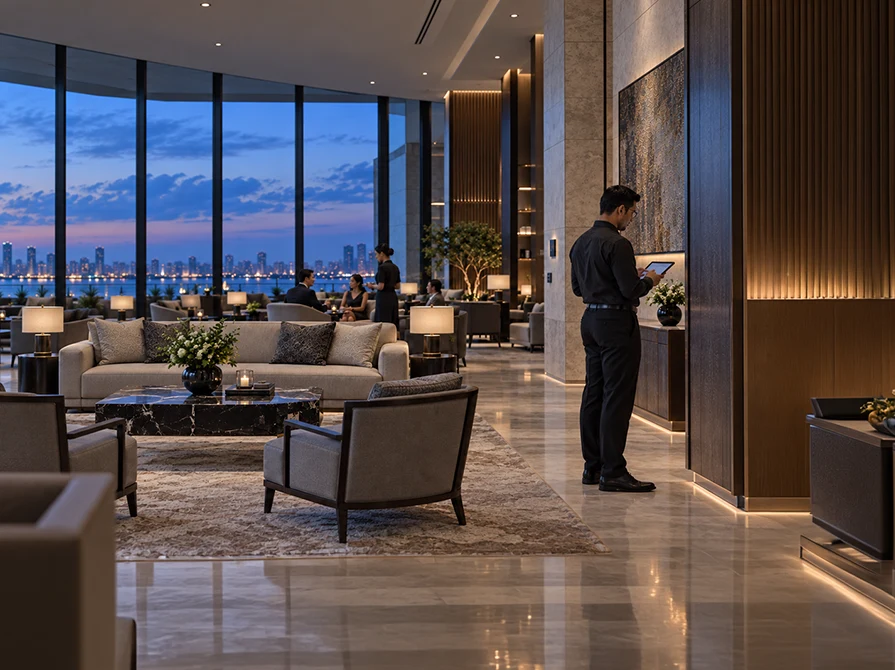
Lighting inside showrooms is now interactive and adaptable. Smart luminaires can change color, intensity, and direction based on the kind of products displayed or the time of day. A fashion store can use warm lighting to create a luxurious feel in a premium section, while using crisp white light to highlight textures and colors in essentials. Auto showrooms use dynamic lighting to accentuate metallic finishes and aerodynamic design. Furniture showrooms select lighting that matches living environments, helping customers visualize products in real settings.
Smart lighting systems are often supported by sensors and automation. They can turn on gradually when customers walk into a specific zone, spotlight new collections during peak hours, and dim down to create mood zones. These lighting experiences support brand identity, storytelling, and emotional connection.
In premium retail settings, lighting is treated like a silent salesperson. It attracts attention, inspires curiosity, and enhances the visual journey. Lighting influences how customers feel about a product, often without them realizing it.
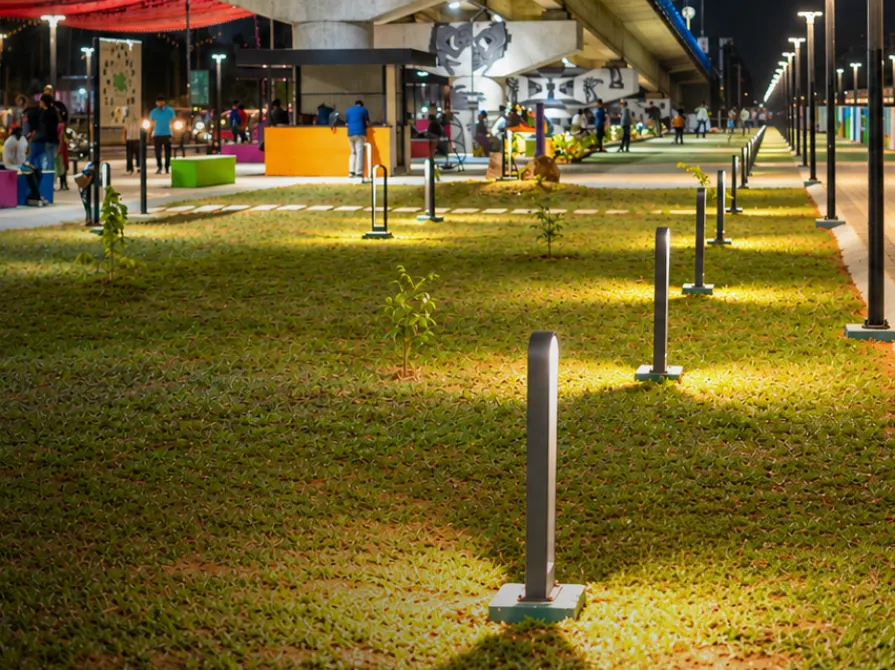
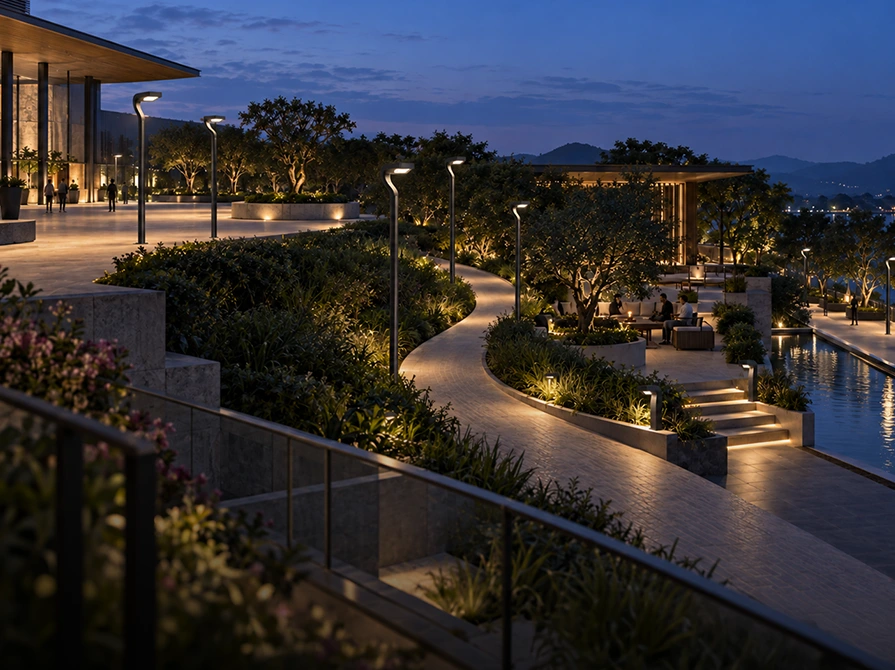
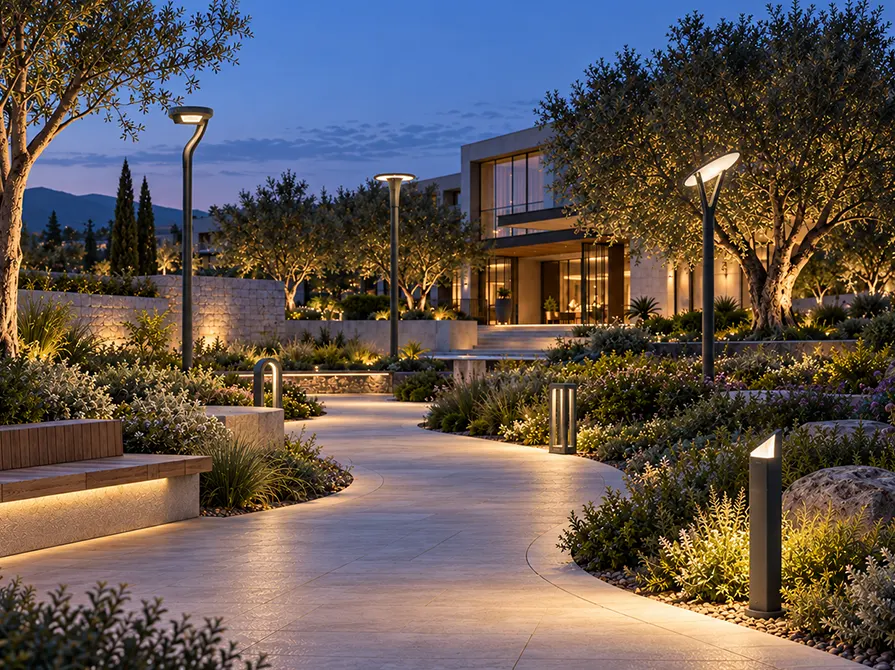
Solar lighting is no longer limited to rural areas or highway poles. It is now being used across gardens, campuses, parking lots, and outdoor commercial spaces. Solar bollards, pathway lights, façade lights, and landscape lighting are becoming popular in residential and hospitality environments because they provide long-term energy efficiency with minimal maintenance.
In industrial complexes and large campuses, solar-powered lighting systems are often combined with smart controls. This combination creates lighting networks that can be monitored, managed, and optimized through digital dashboards. This can reduce energy bills, improve safety during off-hours, and support green building certifications.
Solar-powered lighting provides more than utility. It represents a conscious shift toward responsible design, sustainable choices, and future-ready infrastructure.
The modern home is a blend of lifestyle, technology, and comfort. Smart lighting enables living spaces to become responsive to daily routines. Through lighting control apps or voice assistants, homeowners can personalize illumination to match their activities. Morning light settings encourage alertness for work or school. Soft ambient lighting supports relaxation in the evening. Warm tones improve dining experiences, while focused lighting assists with reading or hobbies.
Smart lighting is also closely connected with interior design. It enhances colors, textures, and volume inside a space. It helps shape mood and influence behavior. As modern homes evolve toward wellness and functional living, smart lighting continues to play a pivotal role in shaping emotionally uplifting environments.
In offices, smart lighting is used to enhance productivity, support visual comfort, and promote mental well-being. Human-centric lighting mimics the natural rhythm of daylight, helping employees stay energized during morning hours and calm during the evening. In meeting rooms and collaboration zones, tunable lighting supports creativity and group engagement.
Schools and learning environments benefit greatly from intelligent lighting. Cooler light tones help improve focus during classes. Slightly warmer settings create a calming atmosphere for breaks, group discussions, or creative work. Studies show that well-designed lighting improves concentration, reduces eye strain, and enhances long-term learning experiences.
Lighting is becoming an invisible teacher in education environments, helping shape attention, mood, and pattern of engagement.
Smart and solar lighting represents a shift in the way we look at illumination. The purpose of light has expanded beyond visibility. Lighting is now seen as a medium that enhances health, safety, sustainability, creativity, and overall quality of life. It has become a tool for design thinking, urban innovation, and environmental responsibility.
Light influences our cities, our workplaces, our shopping experiences, our learning spaces, and even the way we feel at home. It connects technology with human needs and transforms everyday spaces into meaningful experiences.
The journey from streets to showrooms reveals how lighting has evolved into a powerful force in modern living. Smart and solar technologies bring efficiency, intelligence, and sustainability into every illuminated space. The future of lighting is thoughtful, responsive, and deeply connected to how people live.
Get in touch with us to know more about our range of lighting solutions.