

That question sounds dramatic. Until you realise it’s simply a different way of asking - are we building a future that can hold us?
At Davos this January, the World Economic Forum kept returning to a version of the same idea - prosperity has to be built within planetary boundaries, and the “next era” will reward resilience, efficiency, and trust, not just speed.
When we sit with that thought philosophically, it’s humbling. If we were the last people on Earth, there would be no “market share,” no “growth at all costs,” no “someone else will fix it.” There would only be stewardship - a responsibility to keep the lights on without dimming the planet.
Across industries, sustainability is no longer a poster on a wall. It’s increasingly embedded in how decisions are made through Environmental, Social, and Governance (ESG) reporting discipline, long-term risk thinking, supply-chain resilience, and climate accountability. Even when geopolitics and technology dominate headlines, signals from Davos 2026 pointed to a more pragmatic phase: companies and governments are aligning sustainability with competitiveness, not treating it as a side project.
That alignment is visible in the everyday language of business now:
This is the heart of planet-first practice: designing systems that are efficient by default.
Sustainable progress is rarely about one hero move. It’s about connecting the dots:
When we optimise only one thing-say, brightness-we can accidentally create glare, discomfort, or waste. When we optimise only cost, we often pay later through poor quality, higher maintenance, and energy leakage. A holistic approach asks a better question:
How do we create spaces where people thrive, while the planet breathes easier?
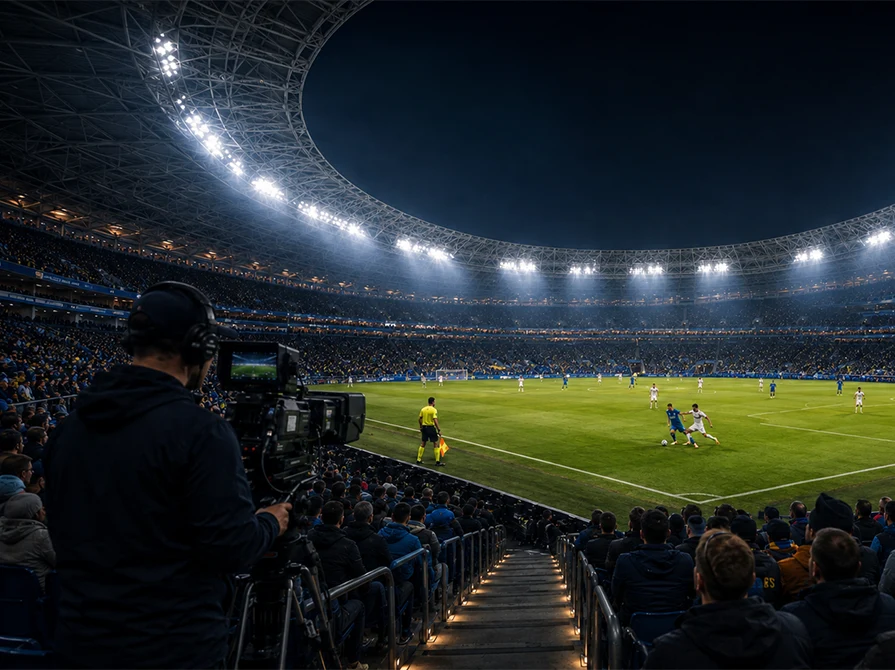
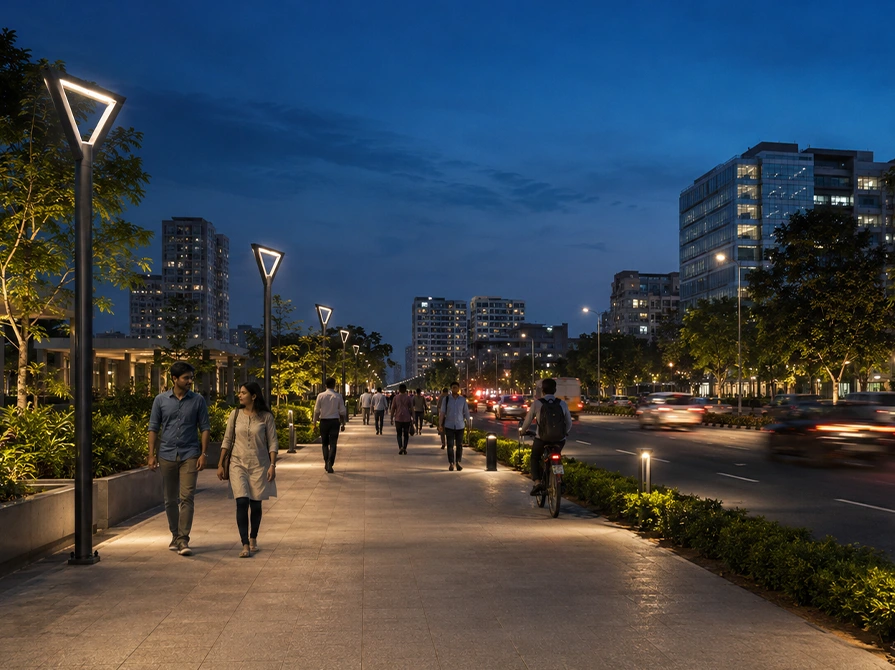
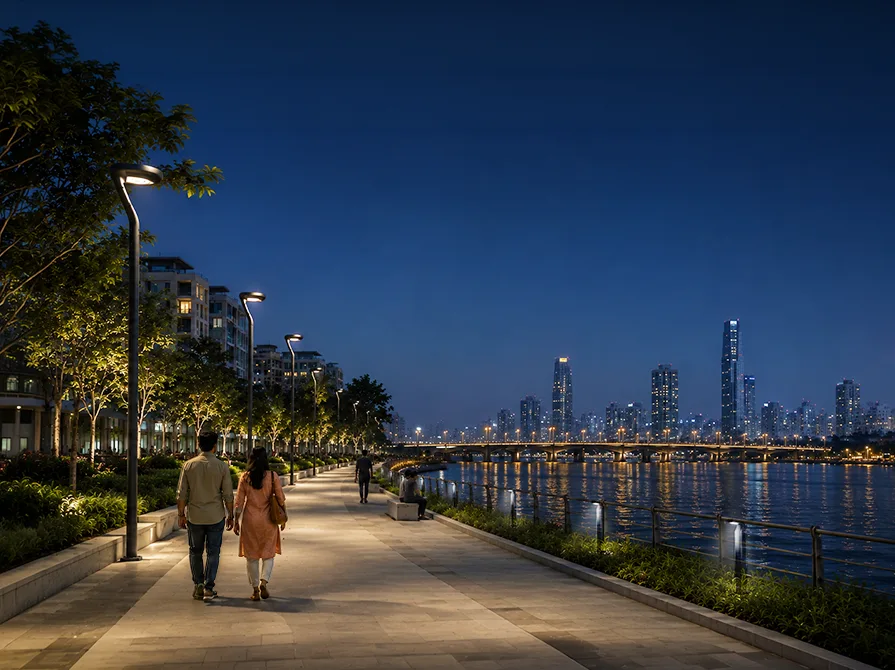
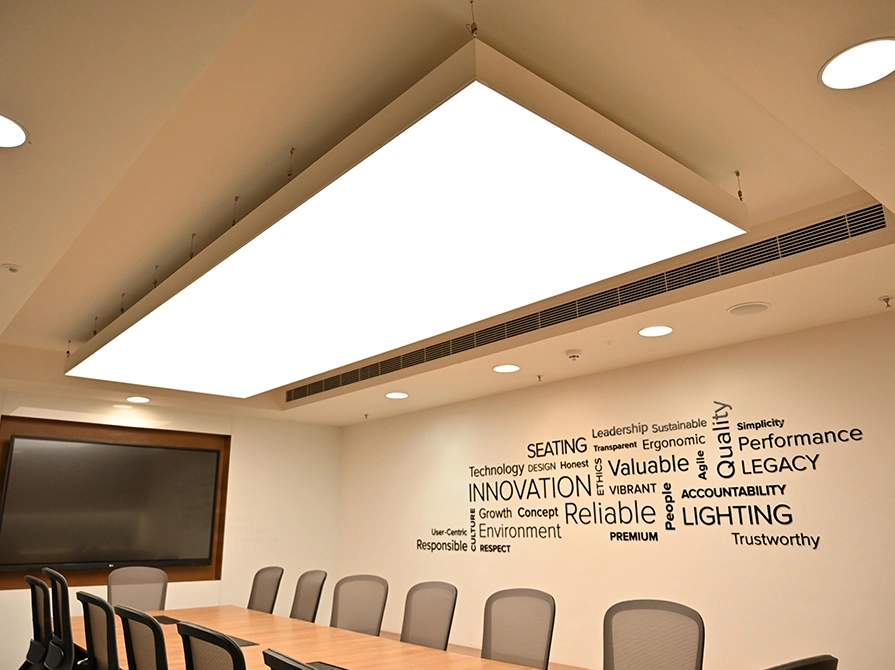
Lighting is one of the most underestimated levers in sustainability-and one of the most actionable.
Because lighting touches everything:
Responsible lighting, to us, means designing light that does two things at once:
And the best part? When done right, this isn’t a sacrifice-it’s uplift. Better lighting can mean better productivity, fewer complaints, safer movement, and measurable energy savings.
At Wipro Lighting, our philosophy is clear: we co-create human spaces that are sustainable and people-first.
That word “co-create” matters. Because sustainability doesn’t happen to a space in isolation. It happens with the people who run it, maintain it, and live in it.
As a responsible lighting organisation which helps to co-create spaces that are sustainable and people-first, our long-term impact is a core determinant of our identity. For the last 10 years, Wipro has been able to save 765K+ kilo tonnes of CO2 (equivalent to planting 35 million+ trees) through our industry lighting and 1303+ kilo tonnes of CO2 (equivalent to planting 60+ million trees) through our outdoor lighting alone.
Responsible lighting also supports what many organisations are actively aiming for today:
Because modern lighting strategies-efficient luminaires, thoughtful design, and smart controls-can contribute to energy performance, comfort, and operational efficiency, these frameworks reward. And Wipro, through its lighting solutions, can help you move closer towards achieving these.
The “last people on Earth” thought experiment isn’t meant to scare us. It’s meant to wake us up with hope.
Hope is choosing long-term decisions even when short-term shortcuts exist. Hope is designing spaces where people feel better and emissions go down. Hope is reducing kilowatts, not because we have to, but because we finally understand that efficiency is a form of respect.
If we act as the future belongs to us, we’ll protect it as it does.
And in that future, responsible lighting isn’t just illumination.
It’s care for people, for operations, and for the planet.