

A major sporting event can put a city on the world’s itinerary.
People arrive for the match, the tournament or the spectacle. But their experience of the destination begins long before they reach their seats - and continues long after the final whistle.
There is the hotel they check into. The restaurant where the evening continues. The landscaped precinct they walk through on the way back. The park, promenade or cultural district they discover the next day. And the monument or illuminated landmark that becomes inseparable from their memory of the place.
For architects, planners and lighting consultants, these may represent very different environments and project requirements. For the visitor, they form one continuous experience.
That intersection is where lighting can contribute far beyond individual applications.
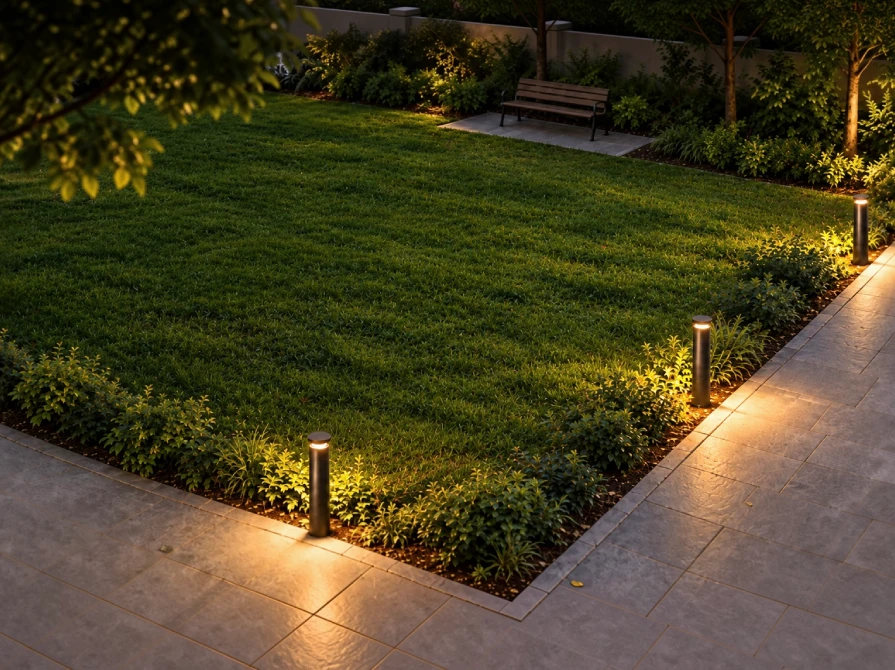
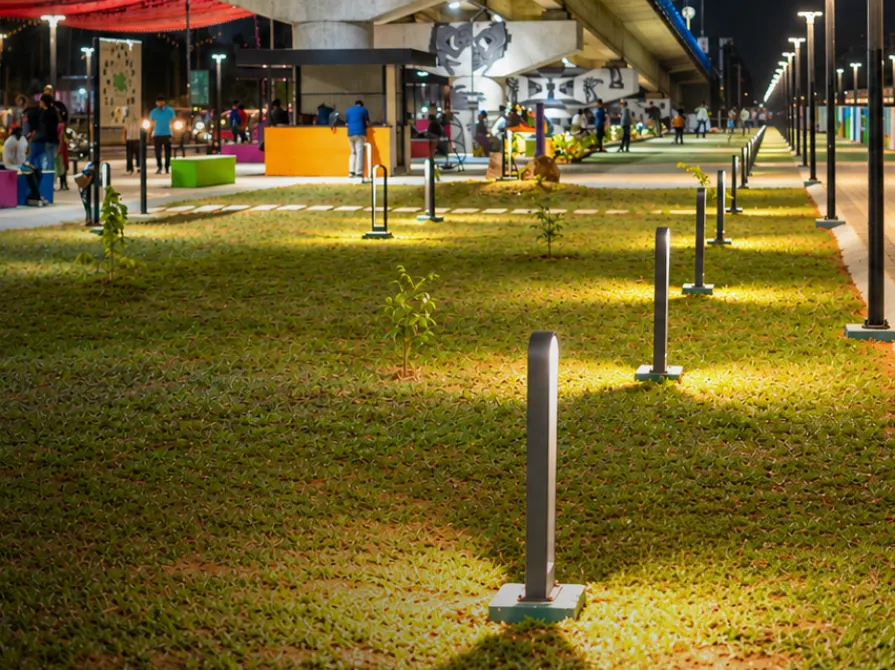
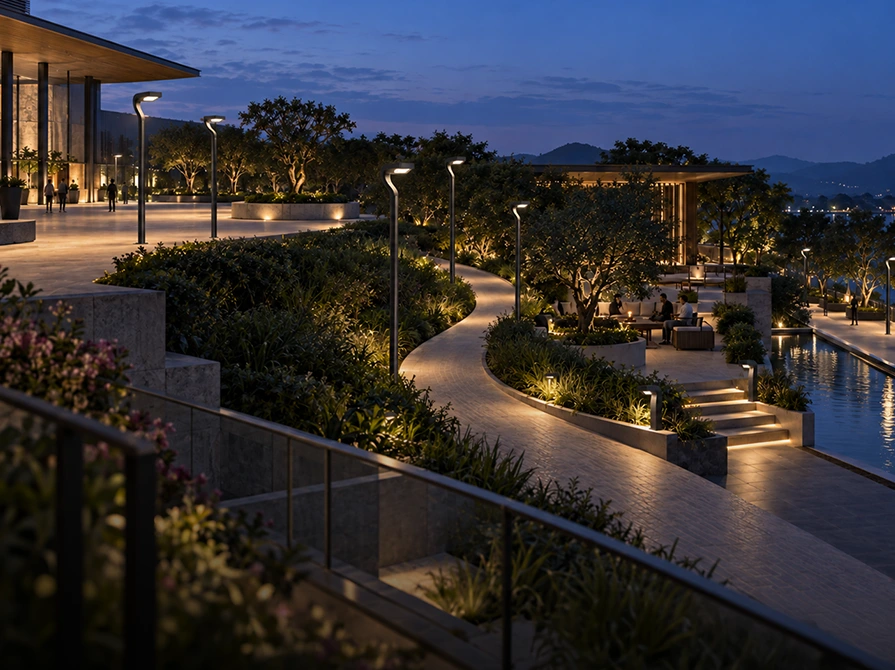
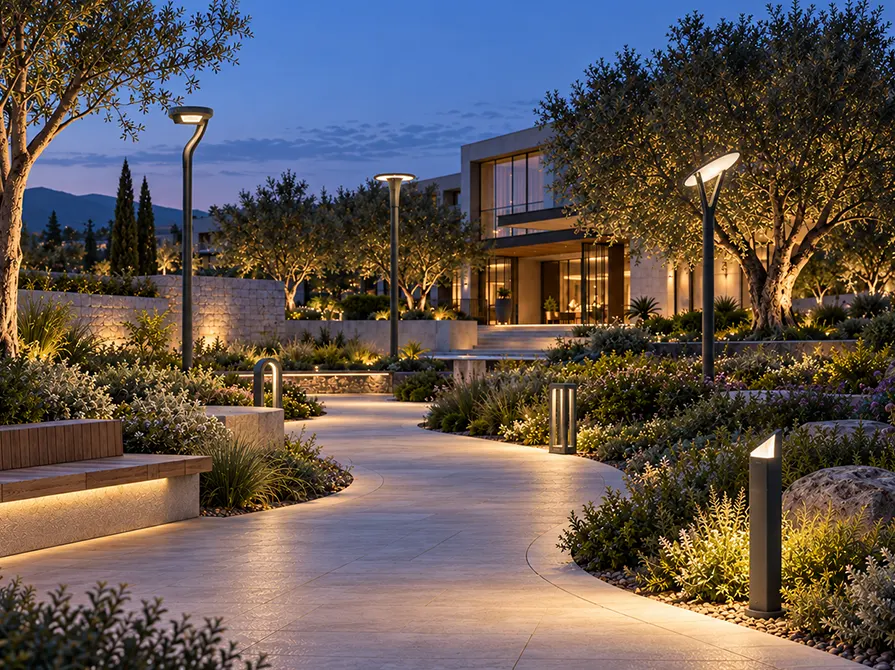
A thoughtfully designed hospitality environment can establish the tone of the stay. Landscape lighting can extend that experience outdoors, bringing gardens, courtyards, leisure spaces and pathways into the larger narrative. Architectural lighting can allow significant structures to retain their character after sunset - or reveal another dimension altogether.
Each layer carries a different intent. And each deserves lighting capable of responding to that intent without imposing a single visual language across the destination.
This is where the breadth of Wipro Lighting’s approach becomes relevant.
Our solutions extend across hospitality environments, intelligent lighting controls, landscape applications and architectural illumination. iSense adds another layer through scenes, scheduling, occupancy sensing, daylight harvesting, analytical insights and Building Management System integration - allowing different experiences to remain adaptable behind the scenes.
The objective is not to define the designer’s vision, but to give that vision more ways to be realised.
As Indian cities increasingly host major sporting, cultural and entertainment events, the opportunity extends beyond building world-class venues.
It is also about creating destinations people want to experience before and after the event - places that invite them to stay longer, explore further and remember more.
The stadium may create the occasion.
But hospitality, landscape, architecture and the public experience around it help create the destination.
And when these different layers work together, light does more than illuminate where visitors go next.
It helps the city give them something worth taking home.