

Lighting has always been a part of infrastructure planning. In offices, it helps people see clearly and work comfortably. In factories, it supports precision, safety, and productivity. But modern lighting has moved far beyond utility. It is now deeply connected to human performance, physical comfort, emotional well-being, and workplace culture. This is where human-centric lighting becomes relevant. It empowers people to think, create, collaborate, and perform in healthier environments.
Across industries, employees spend a large portion of their day indoors. They interact more with artificial light than natural sunlight. The quality, color, intensity, and timing of light affect how people feel, focus, and function. Human-centric lighting is designed to blend illumination, well-being, and efficiency. It aims to create lighting environments that support the biological and emotional rhythms of people, while also improving productivity and energy efficiency.
Human-centric lighting is based on the understanding that light influences more than just visibility. It affects the circadian rhythm, which regulates sleep cycles, mood, alertness, and hormone production. Exposure to cool, bright light in the morning boosts alertness and cognitive performance. Warmer, softer light in the evening promotes relaxation and mental ease.
In factories operating 24 hours, lighting plays a vital role in maintaining alertness for night-shift workers. Appropriate lighting reduces fatigue, helps maintain focus, and minimizes errors. Lighting aligned with the human body’s natural rhythm enhances performance and supports long-term health.
In offices, employees often struggle with eye strain, headaches, and fatigue caused by harsh or insufficient lighting. Human-centric lighting creates environments that are visually comfortable and emotionally supportive. It uses adjustable brightness, natural color tones, and glare-free design to improve focus and reduce stress.
Flexible lighting that mimics daylight patterns is now being adopted in modern workspaces. Morning lighting can promote alertness, mid-day lighting helps sustain energy, and softer tones later in the day support calm interactions or reflective work. This pattern helps employees stay mentally balanced, more engaged, and less fatigued during long work hours.
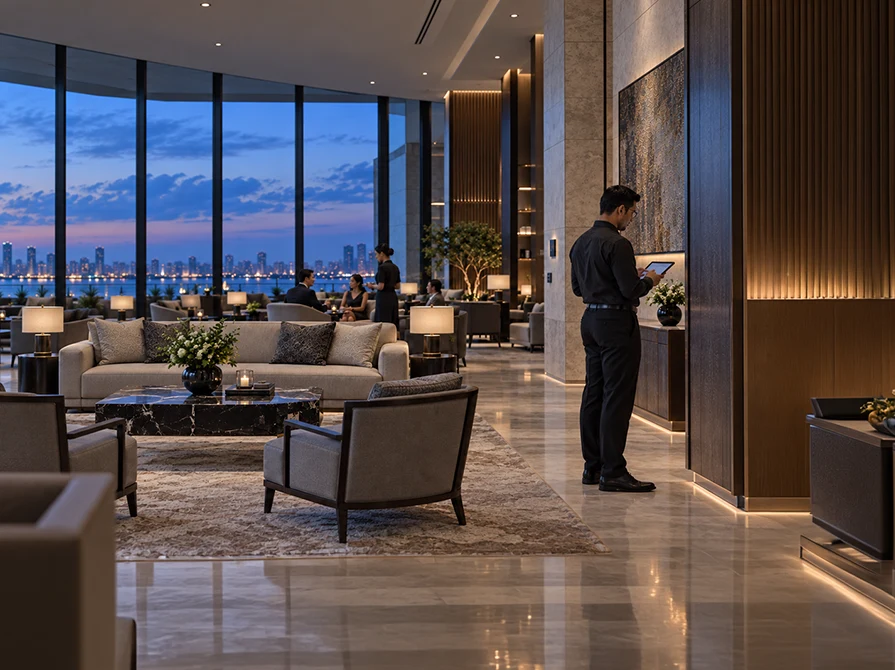
Lighting also plays a role in aesthetics and mood. Softer ambient lighting in meeting rooms encourages collaboration and open discussion. Warmer tones in breakout areas support relaxation. Bright, crisp lighting in focus zones promotes clarity and concentration. Employees feel more valued when the environment feels thoughtfully designed. This enhances the overall workplace experience.
In manufacturing units, precision, safety, and efficiency are essential. Human-centric lighting improves visual accuracy, which helps workers handle detailed tasks, read instruments, and detect errors efficiently. Proper illumination reduces workplace accidents and supports better decision-making on the floor.
In industrial environments, the right lighting level improves hand-eye coordination, lowers fatigue, and improves response times. This results in better output quality, faster production rates, and safer processes. In environments where machine operators or inspectors work for long hours, appropriate lighting helps maintain focus and improves consistency.
Human-centric lighting is now integrated with sensors and automation. These solutions adjust lighting based on time, occupancy, and specific work zones. This ensures optimal illumination at all times while also saving energy.
Lighting is not purely functional. It influences perception, mood, and behavior. Bright, balanced lighting can make people feel motivated, alert, and energetic. Warm, soothing light can help build connection, trust, and comfort. This applies to both factory workers and office employees.
When lighting is designed with human needs in mind, it enhances the overall culture of the workplace. Employees feel more connected to their environment. They feel more valued, more alert, and more comfortable. They communicate better, make faster decisions, and remain more engaged.
For industries where speed and precision are required, optimized lighting enables better synchronization between teams and tools. In office environments, it supports creativity, innovation, and collaboration.
As organizations move toward hybrid work models, lighting design is being re-evaluated to support flexible work rhythms. Human-centric lighting helps employees transition between focus, collaboration, and rest. It blends technology with mood, purpose, and productivity.
Workspaces are now designed with multi-layer lighting that supports different types of work. Task lighting supports focused work. Ambient lighting improves visual comfort. Accent lighting shapes the environment and reflects organizational culture. These layers, when implemented thoughtfully, help employees shift between digital and physical tasks more efficiently.
Human-centric lighting also supports sustainability goals. Smart lighting systems use sensors, timers, and automation to minimize waste and optimize energy use. In factories, this means lighting only the areas in use. In offices, it means balancing natural daylight with artificial light to improve energy efficiency.
High-efficiency LED systems with intelligent controls reduce electricity consumption and support green building standards. These systems also align with global sustainability goals and certifications.
When lighting serves both people and the planet, it becomes a catalyst for long-term sustainable growth.
Organizations are beginning to view lighting as a long-term investment rather than a one-time infrastructure expense. Human-centric lighting supports employee wellness, productivity, safety, and brand perception. It contributes to better decision-making, faster learning, and a more engaged workforce.
Lighting is now seen as an essential design element in experience-driven work environments and high-performance industrial spaces. It influences physical comfort, psychological well-being, visual clarity, and organizational culture.
Human-centric lighting changes the way we see workspaces and factories. It creates environments that are built for people, not just processes. It supports healthier employees, more efficient workflows, and more meaningful work environments.
It contributes to productivity, well-being, and sustainability all at the same time. It improves clarity and comfort, while also supporting innovation and safety.
Lighting, when thoughtfully designed, becomes a strategic tool that helps organizations move forward with purpose and confidence. Get in touch with us to know more about our range of human-centric lighting solutions.